AKIHITO NORO PAINTING PRE-PHENOMENALISM
Painter / Artist
Based in Tokyo, Japan
Oil painting
Drawing
Etching
Portfolio
Updated August 2026
Selected works
2024–2026
Oil on canvas
Drawing
Etching
Works and information reproduced from the artist's portfolio book.
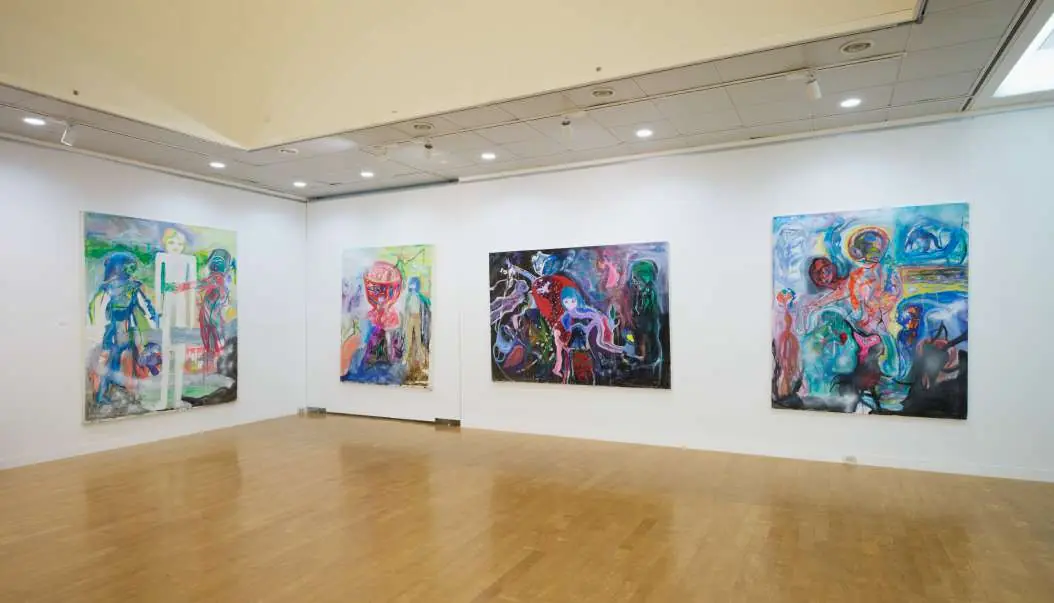
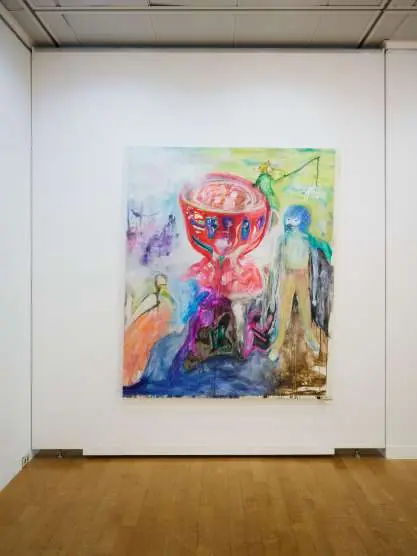
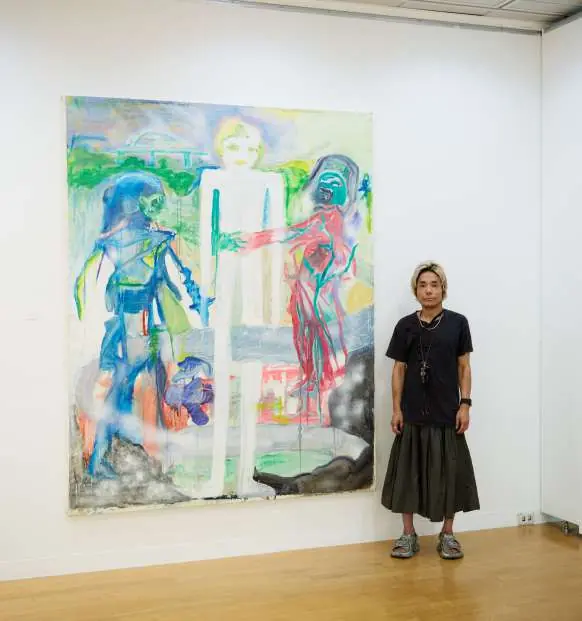
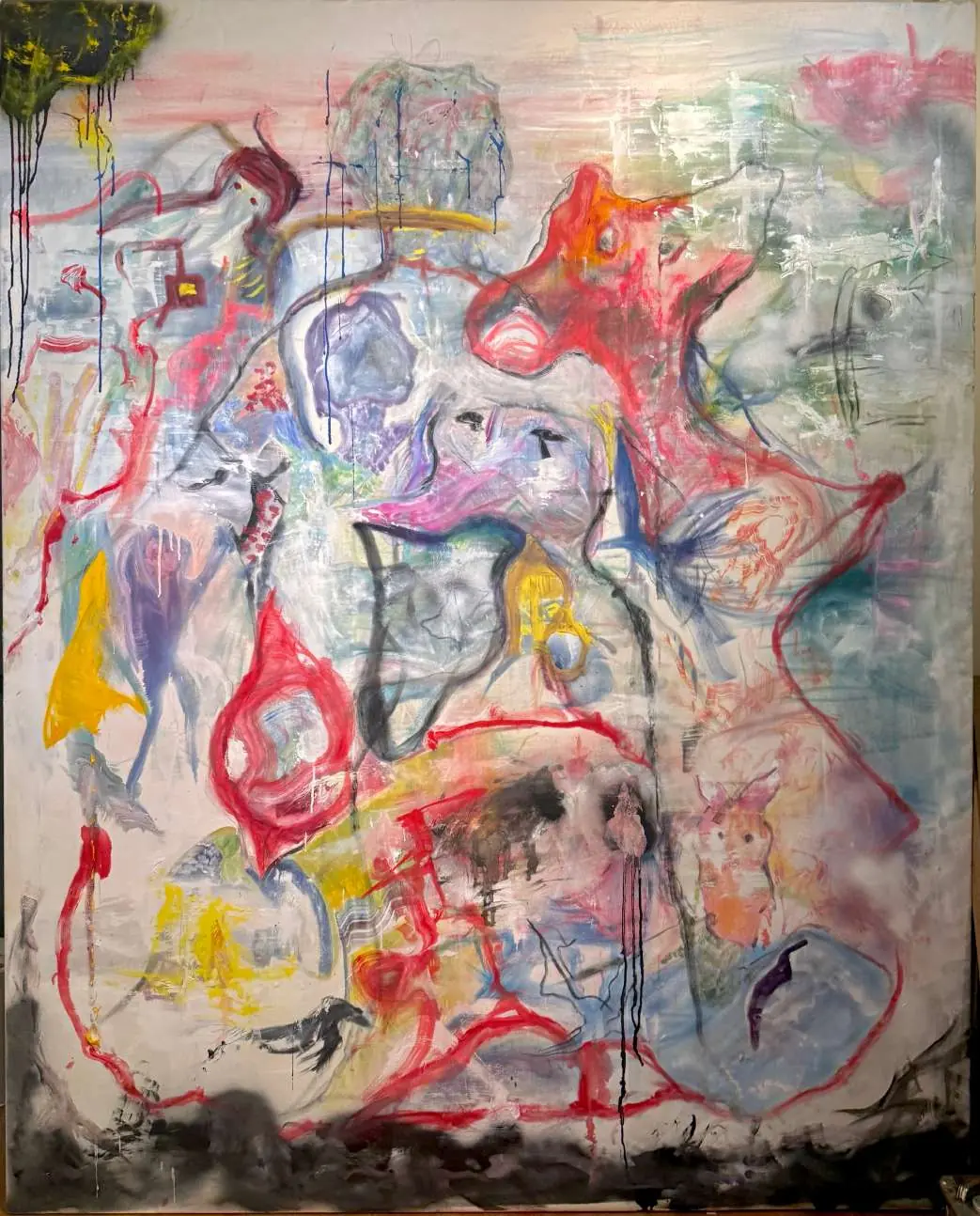
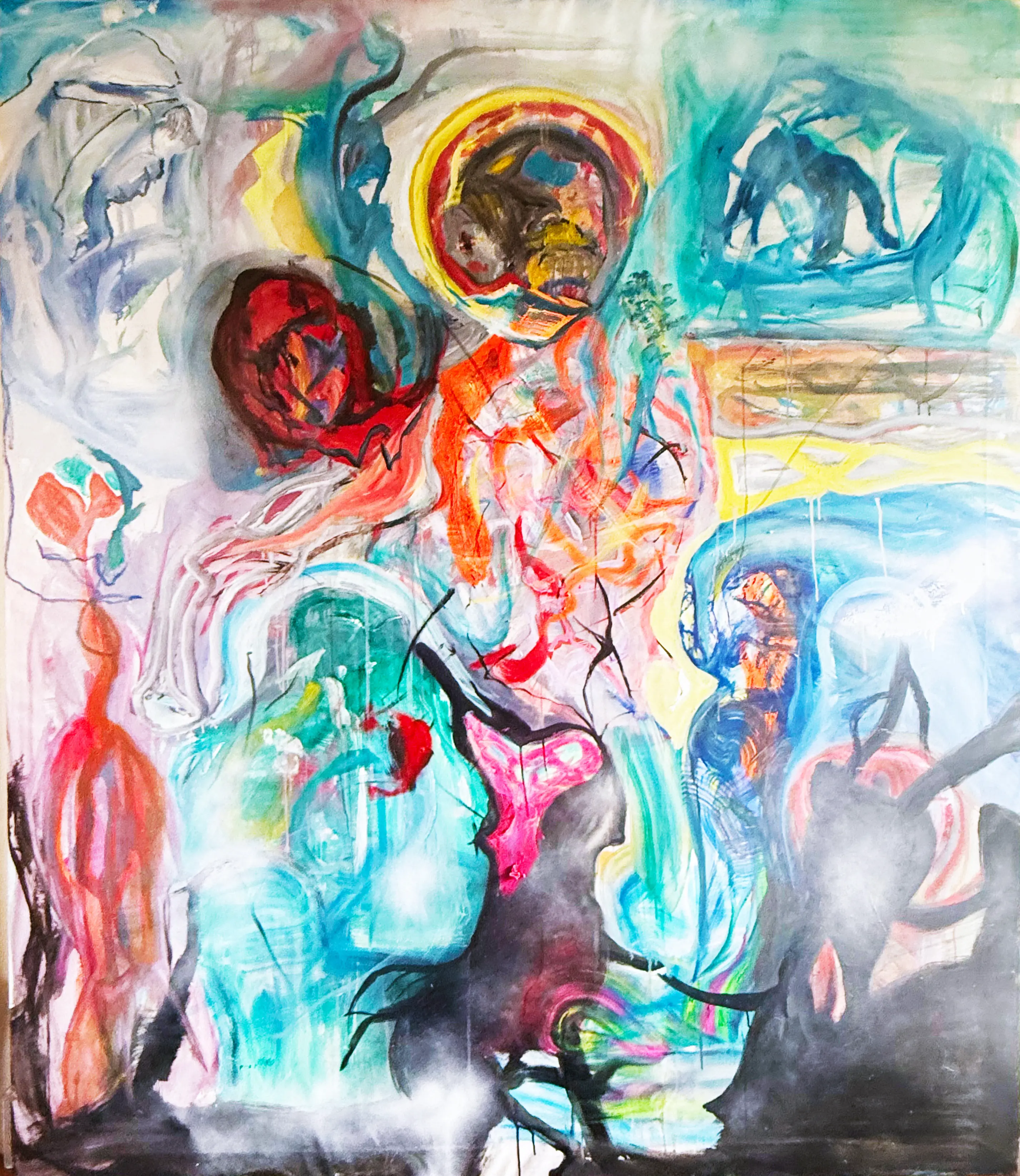
Shikisokuzekuu
Oil on canvas
2273 × 1818 mm / 2026
What I Thought I Had Caught
Oil on canvas
1940 × 1620 mm / 2026
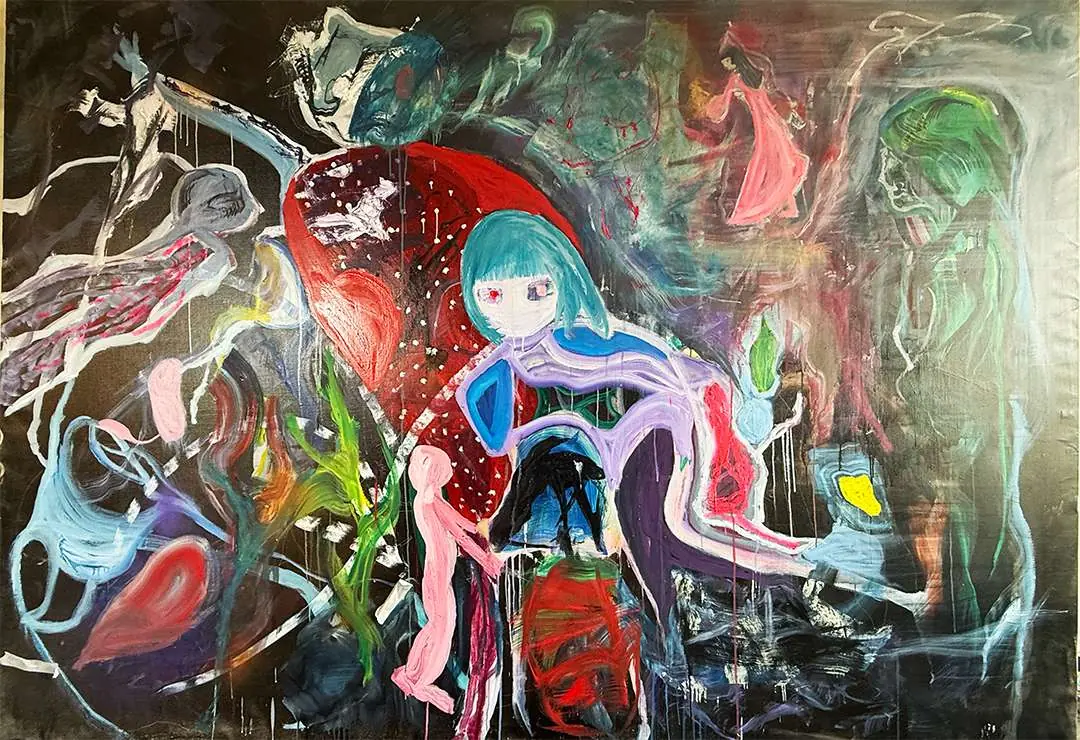
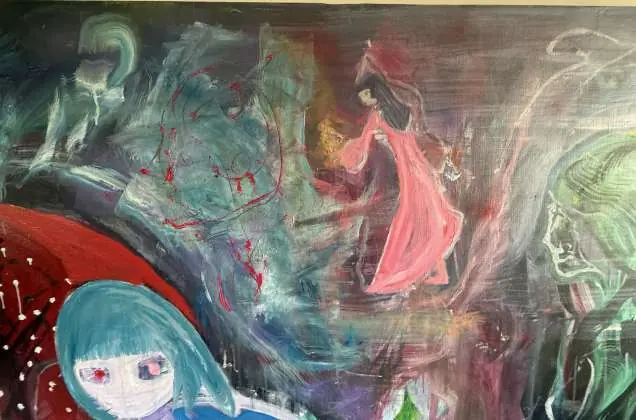
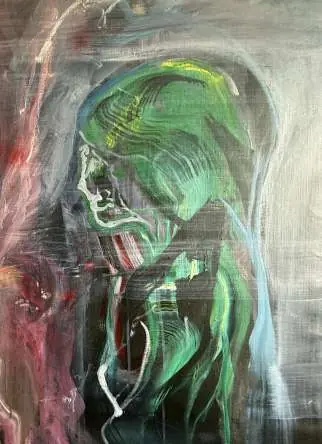
The Child Yet to Be Named
Oil on canvas
2273 × 1620 mm / 2026
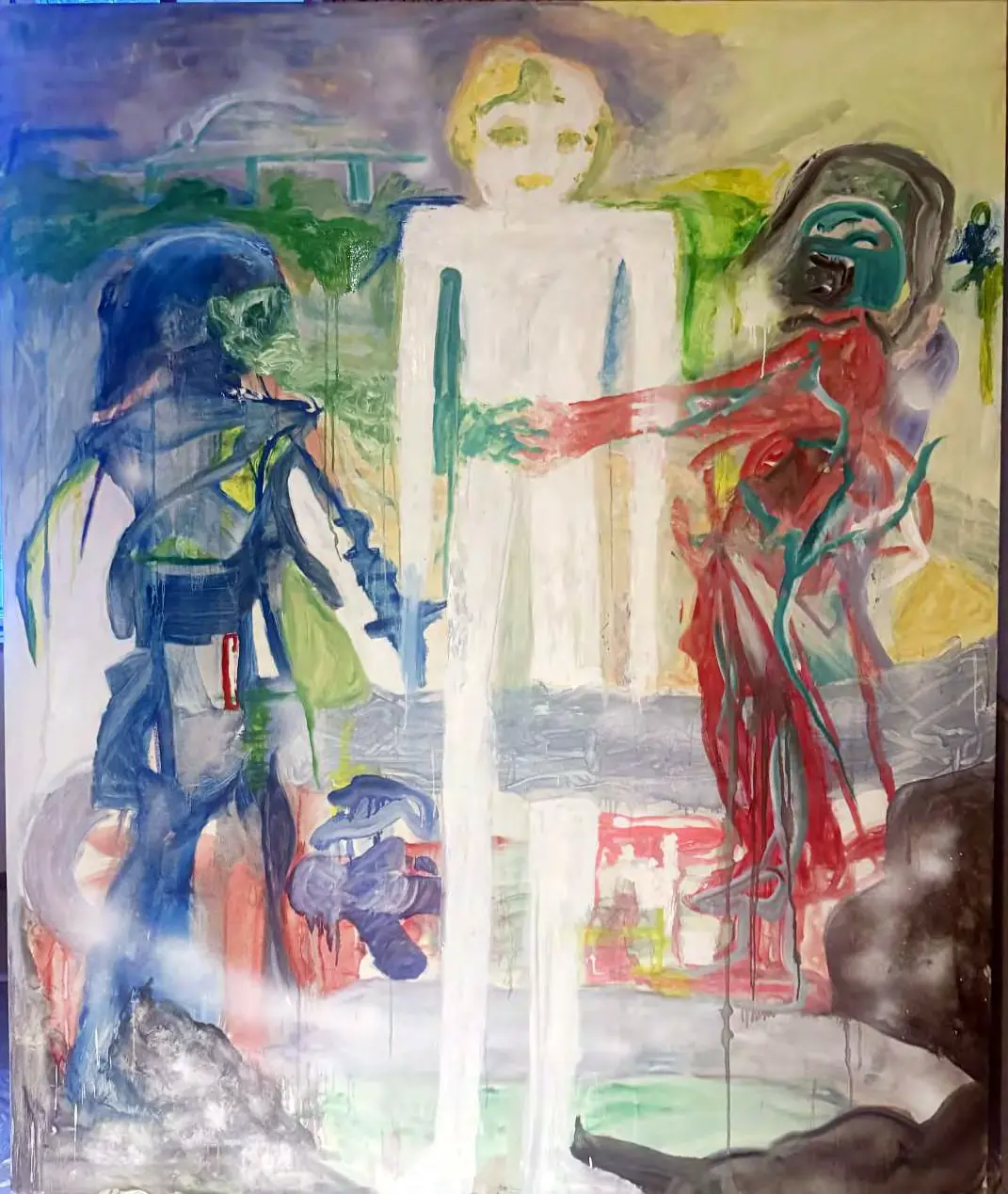
The Mediator
Oil on canvas
2273 × 1818 mm / 2026
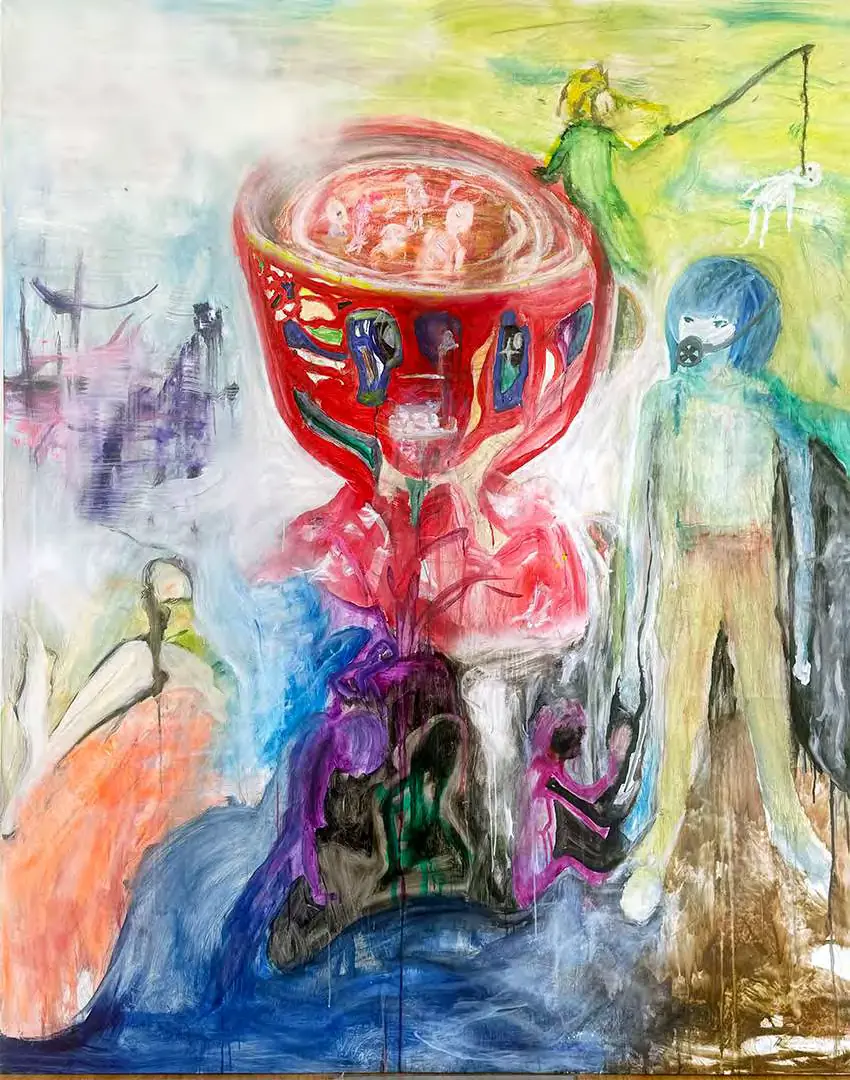
Brains +
Oil on canvas
1940 × 1620 mm / 2026
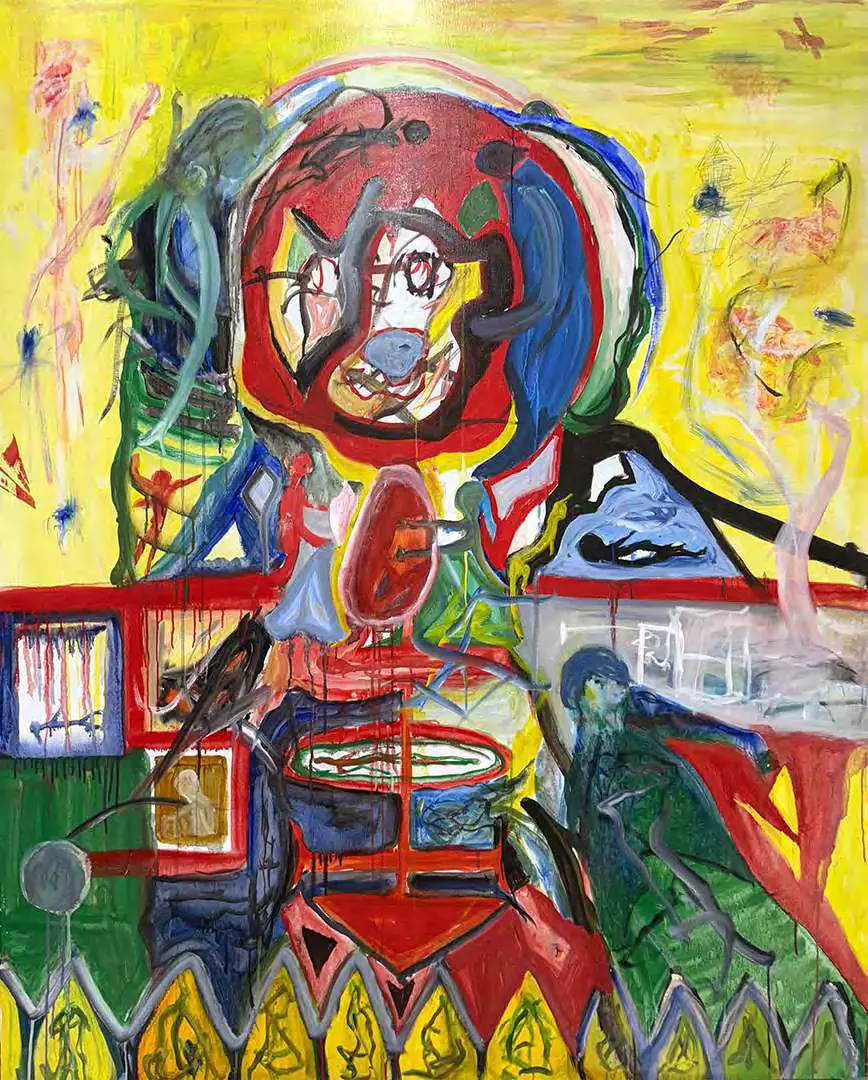
99% Pure
Oil on canvas
1625 × 1303 mm / 2025
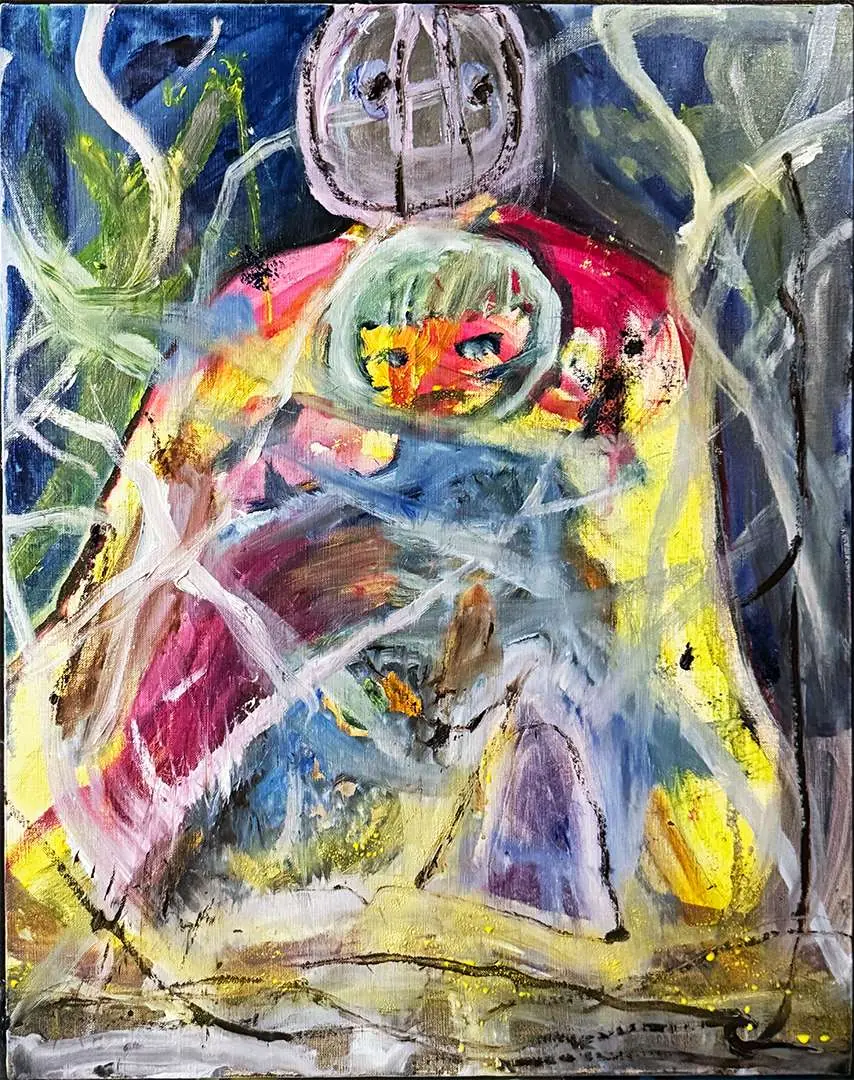
Little Night
Oil, oil pastel, and airbrush
652 × 530 mm / 2026
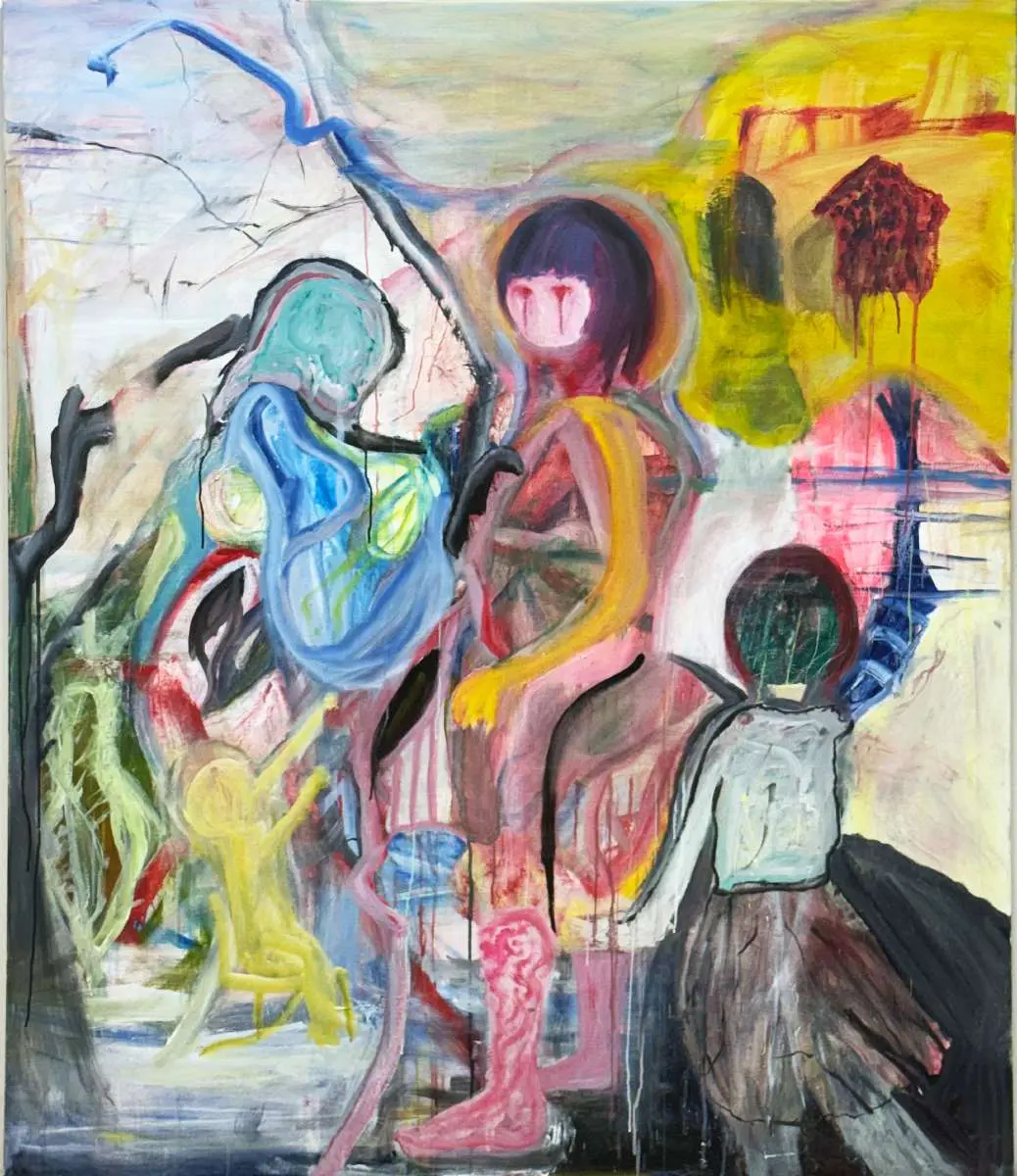
Under construction
Oil on canvas
1625 × 1303 mm / 2025
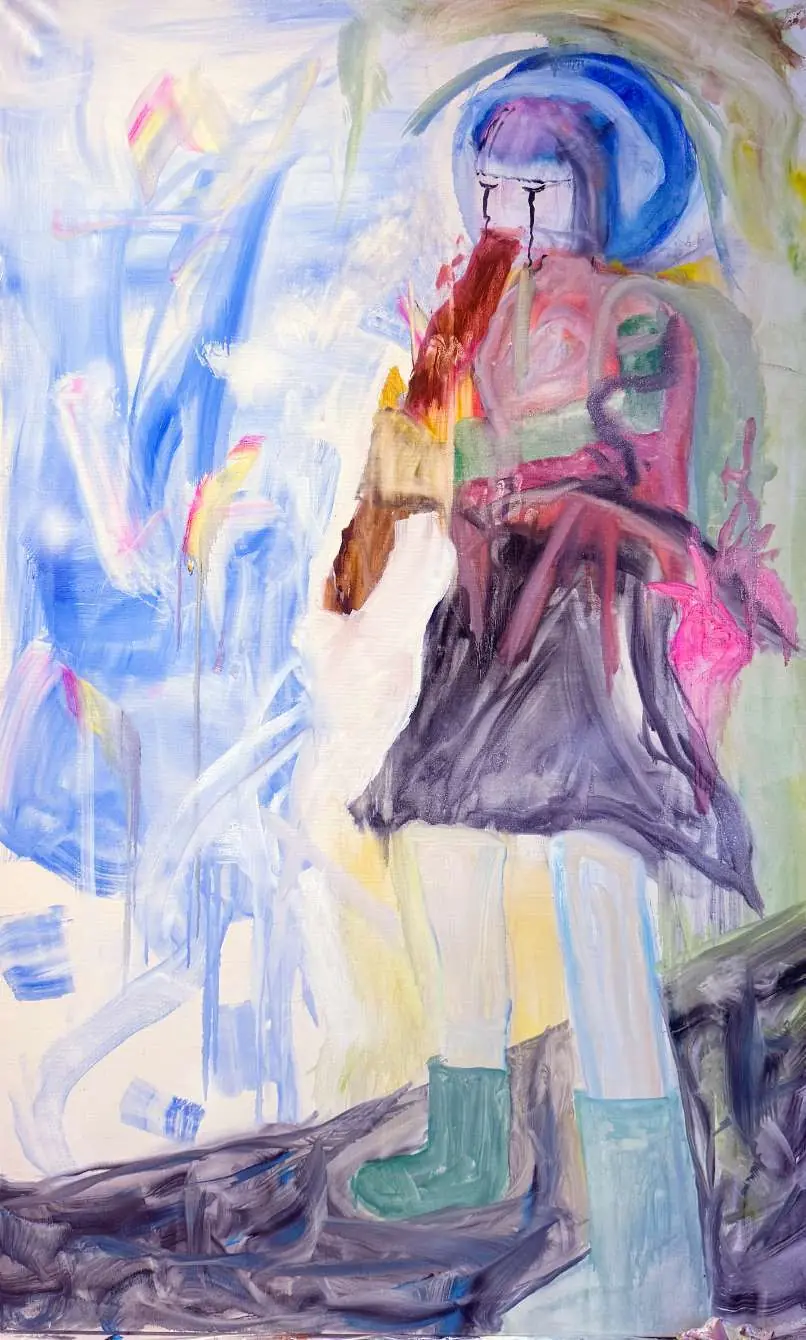
Girl Wandering Shinjuku at Dawn While Playing the Flute
Oil on canvas
1620 × 970 mm / 2026
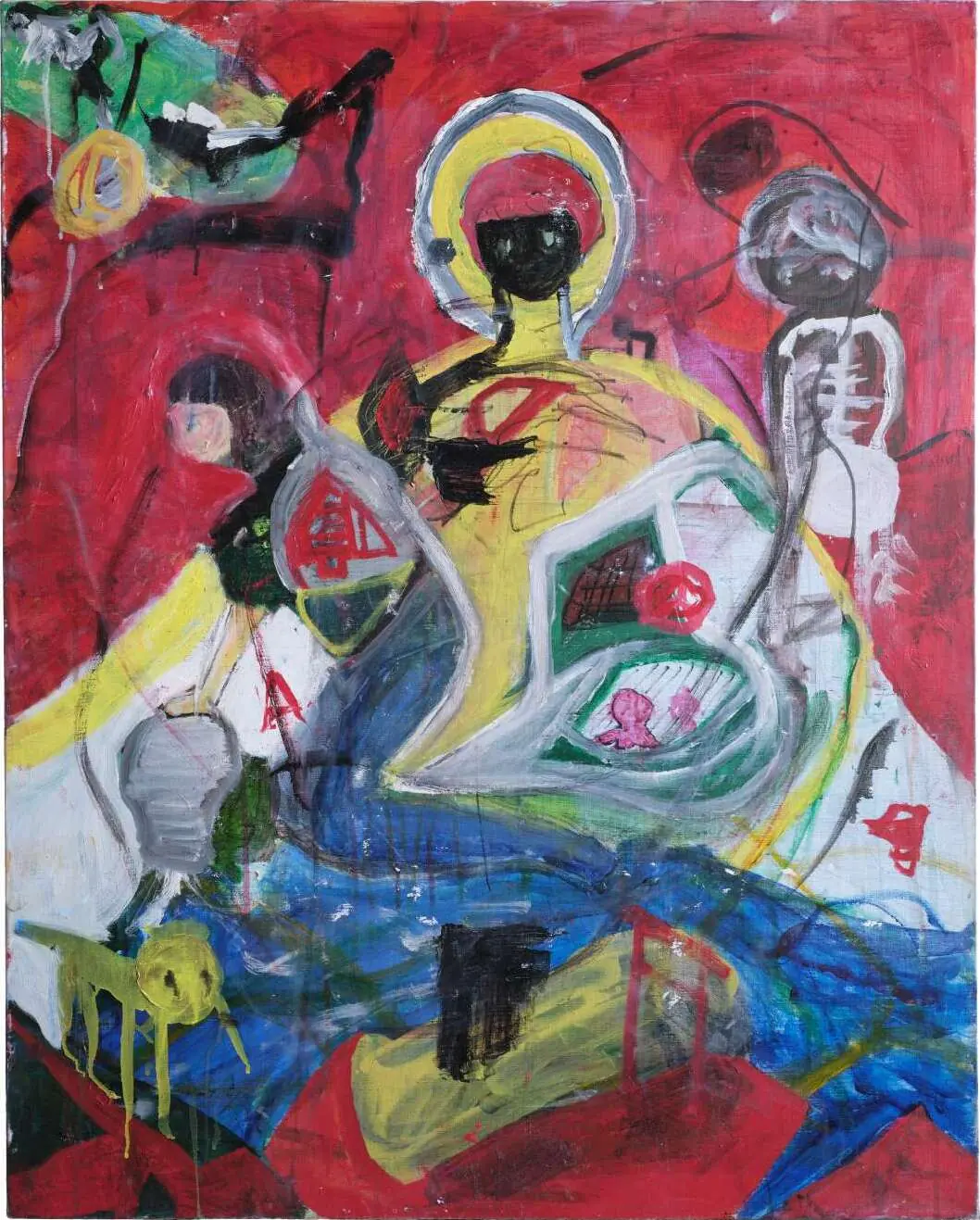
Red Dream
Oil on canvas
910 × 727 mm / 2025
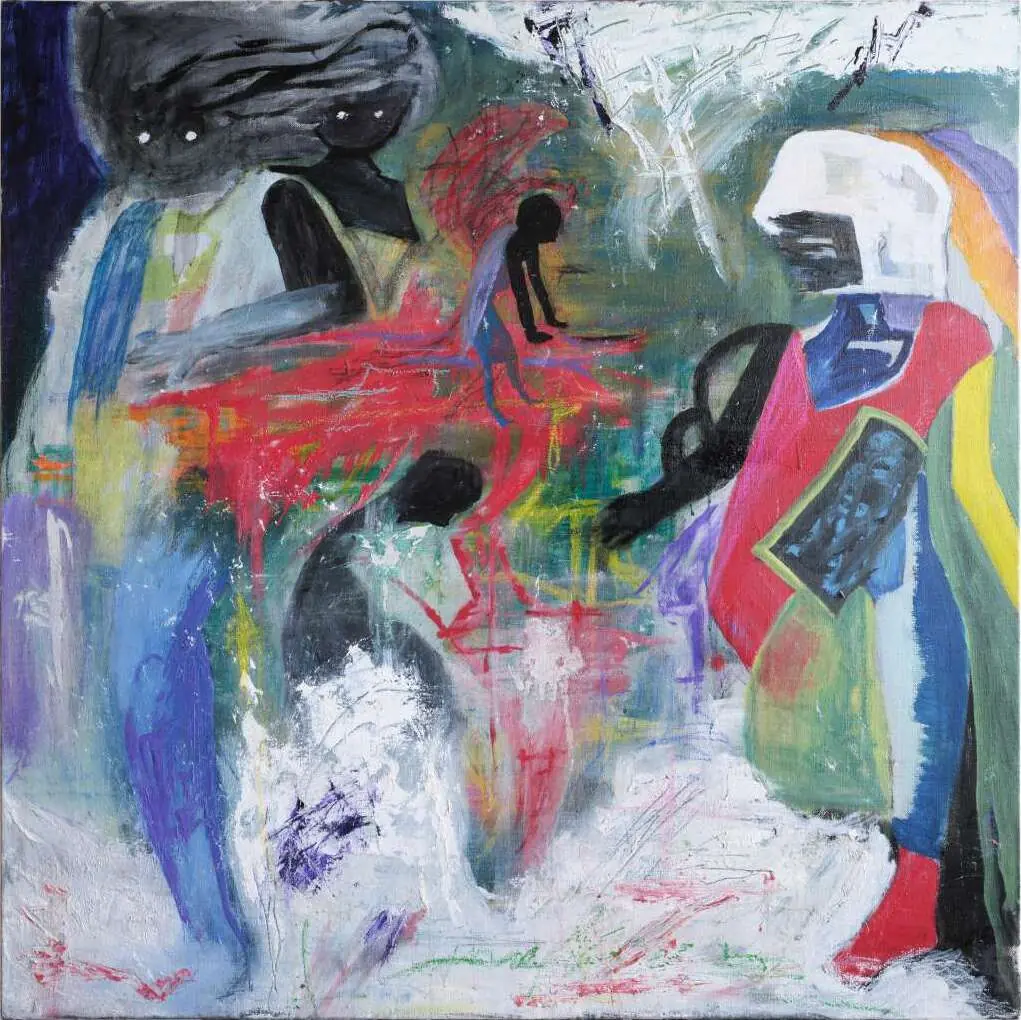
Conflict
Oil on canvas
1303 × 894 mm / 2025
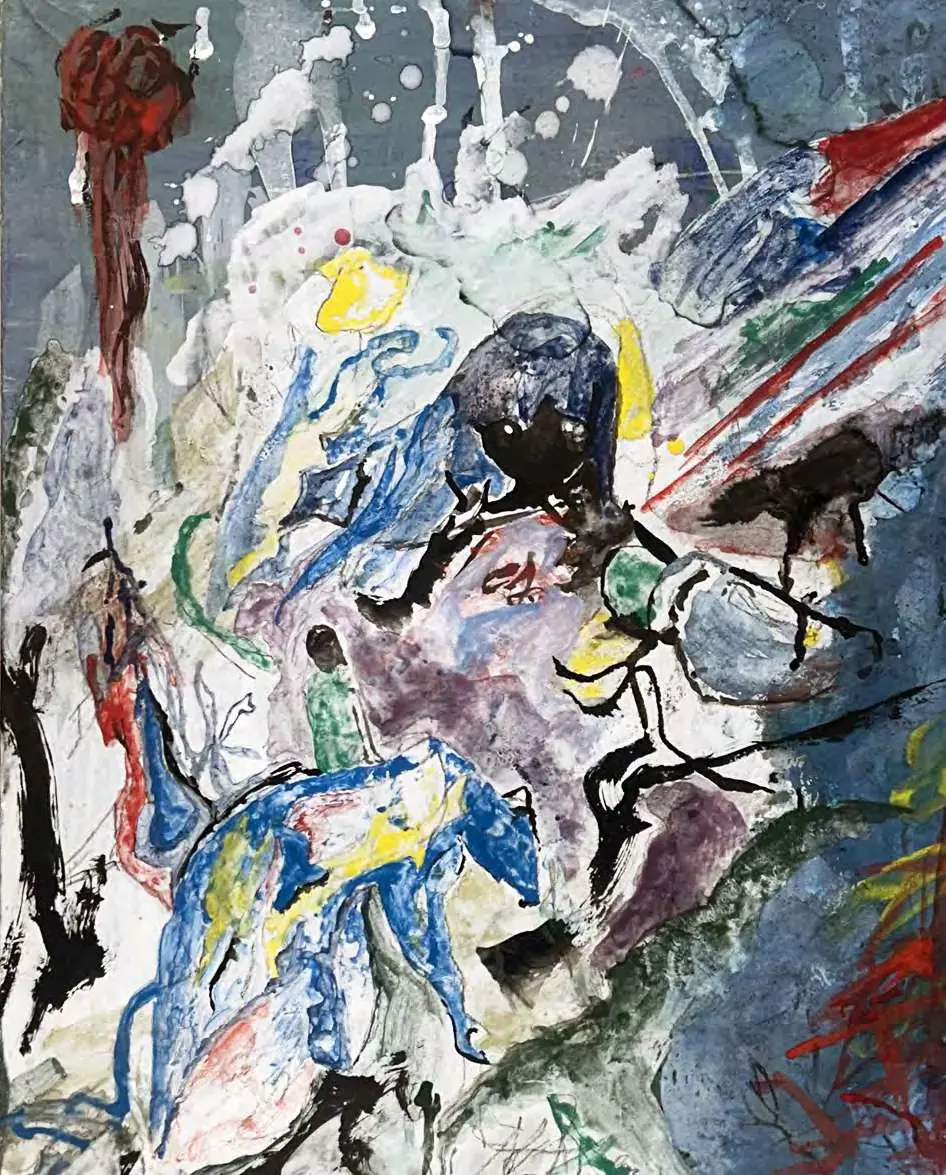
Untitled
Mineral pigments and sumi ink on Kumohada hemp paper
727 × 606 mm / 2024
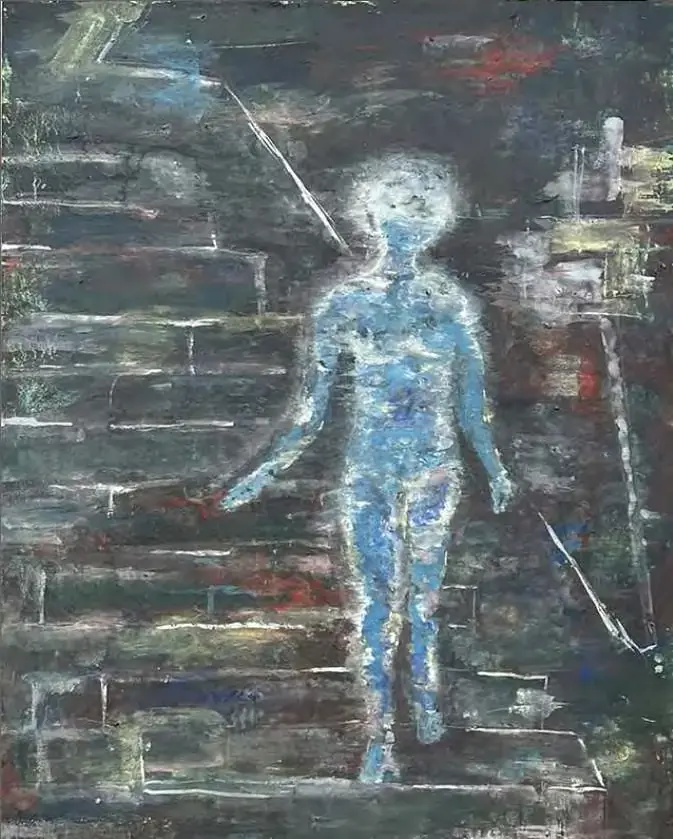
Aoi Doll
Mineral pigments and sumi ink on Kumohada hemp paper
727 × 606 mm / 2024
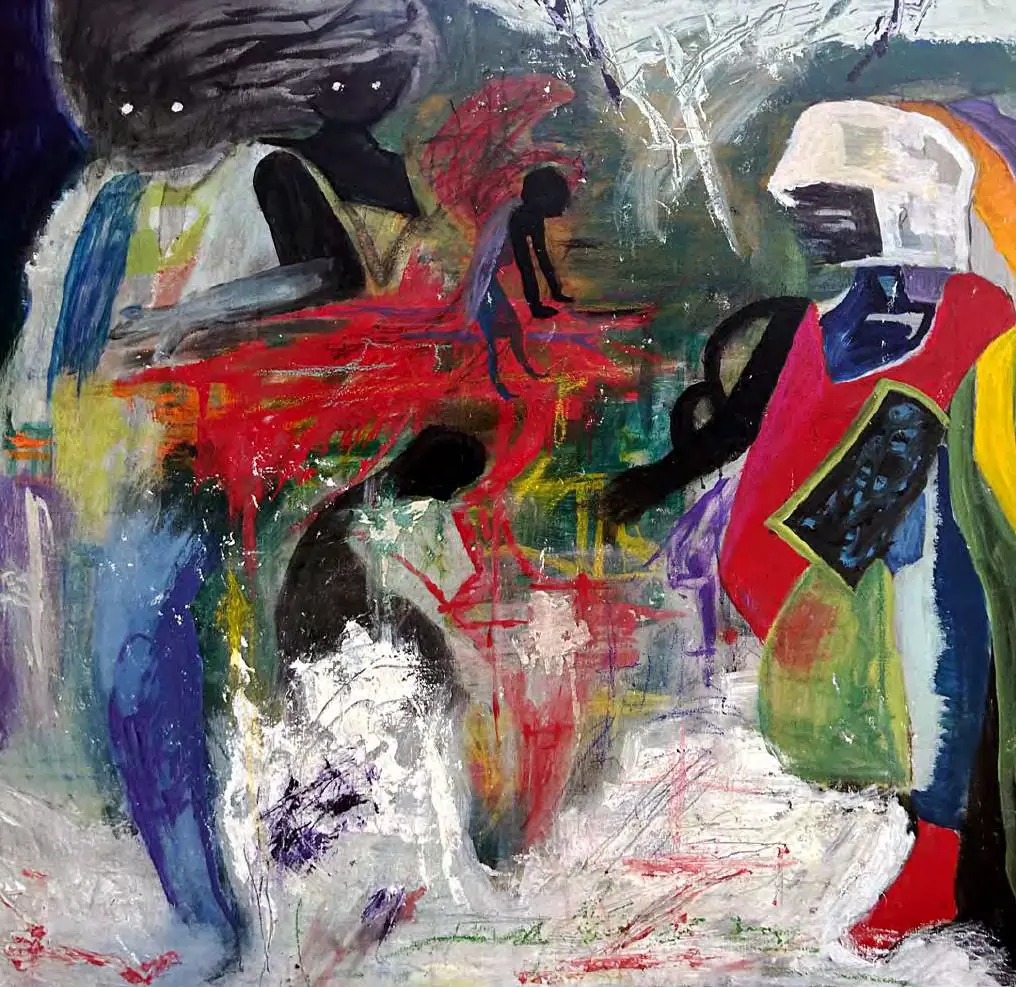
The Sun and Snooze
Oil and pastel on canvas
910 × 910 mm / 2024
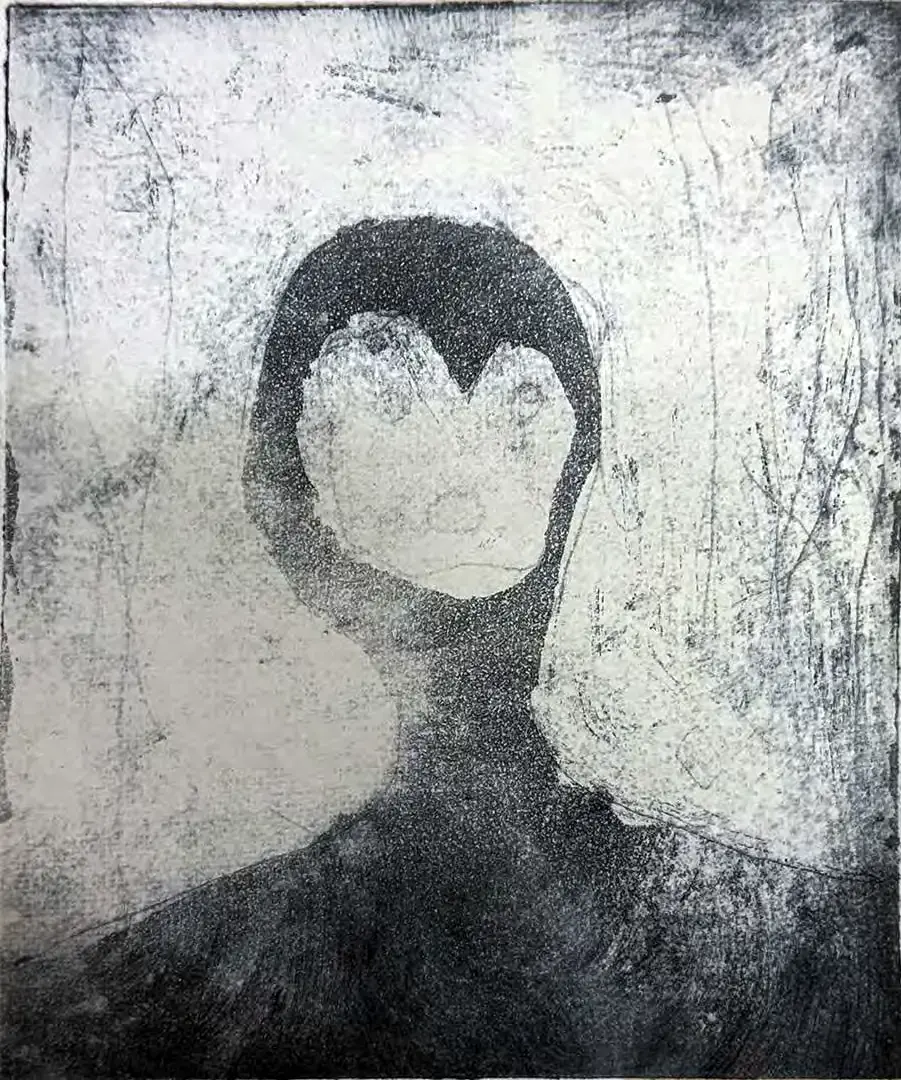
Unseen.
Etching
2025
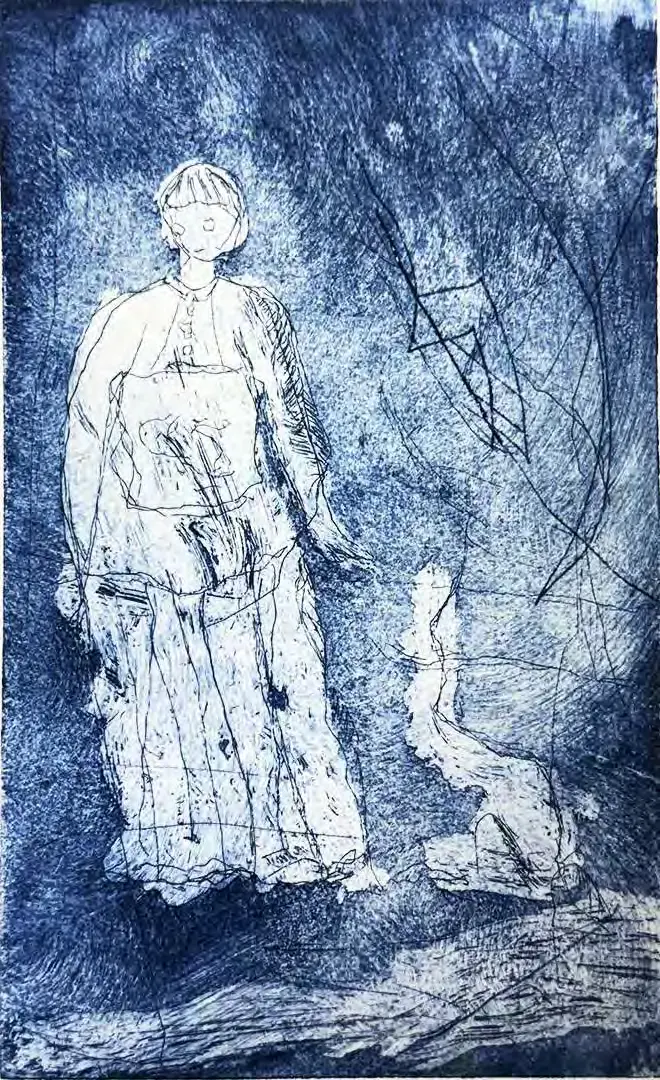
Night Walk.
Etching
2025
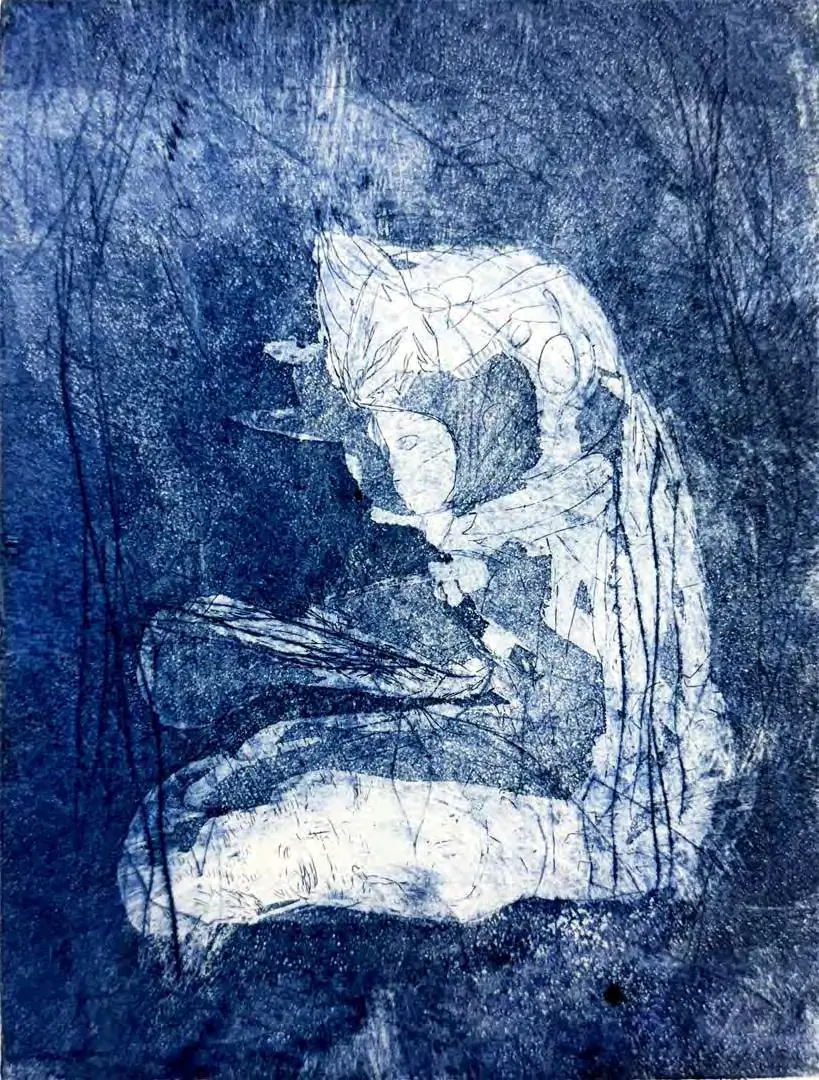
Lurking.
Etching
2025
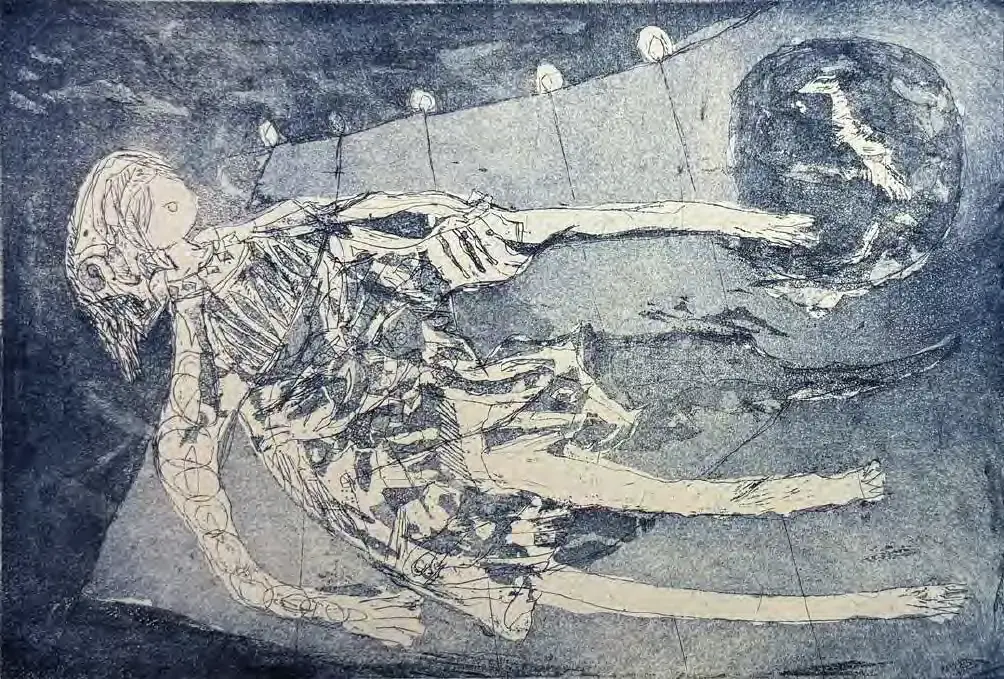
Untitled.
Etching
2025
Statement
Pre-Phenomenalism
前現象主義
Artist statement
August 2026
I paint the interval between the moment just before an image is recognized as “something” and the moment when an image that has once taken shape begins to unravel again.
When I begin a work, I do not predetermine a specific motif or finished composition. I place, erase, cover, and layer colors and lines, responding physically to the forms that emerge on the surface. The layers of oil paint retain not only the act of painting, but also the time spent hesitating, pausing, concealing, and rediscovering. For me, painting does not reproduce an image that already exists. It is a site that holds the very process through which an image emerges, changes, and disappears.
Within a single picture, forms that resemble figures, landscapes, animals, or fragments of bodies coexist with forms that still resist being named. The viewer moves between them, discovers something, identifies it, and for a moment becomes convinced that they have “seen” it. Yet the image that seemed to have taken shape is destabilized once again by the colors and lines around it, shifting into another image or returning to a state in which it is not yet anything at all.
What concerns me is less the depicted object itself than the movement through which an object comes into being within perception. We do not receive the external world as it is; we see “something” by linking fragments of form and color with memory, language, and past experience. By producing recognition, naming, and certainty while simultaneously undoing them, painting reveals that seeing is not passive reception but an active process that continually generates images. This concern also connects with phenomenology, which asks how an object comes to be constituted as a phenomenon in consciousness.
I provisionally call this practice “Pre-Phenomenalism.” The term does not describe the painting of objects that have already stabilized as phenomena, but names an engagement with the intimation of an image before it takes shape and the residue left immediately after it loses meaning. Emergence and disappearance are not separate events. An image in the process of being born already contains the possibility of its extinction, while the memory and afterimage of an image that has unraveled become the conditions for the next image to appear.
In thinking through this cycle, I also draw on the Buddhist formulation “form is emptiness; emptiness is form.” This does not mean that I paint religious subjects. Rather, it supports an understanding of all forms as lacking fixed substance: they emerge through relations and change, unravel, and continue to pass into other forms.
What my paintings present is not a completed image, but a site in which an image occurs as an event. An image appears, is named, and almost simultaneously unravels and begins to become something else. At that moment, the work ceases to be merely an object of contemplation and becomes a field in which the viewer’s own perception begins to move.